
Overview
Why Choose Gray and White Porcelain Tile?
Gray and white porcelain tile represents the ultimate balance of functional performance and enduring style. Engineered under extreme heat and pressure, this surface solution delivers unmatched resilience while elevating interior aesthetics. Whether applied across residential spaces or heavy-duty commercial projects, it remains a premier choice for architects, builders, and property owners worldwide.
Timeless Aesthetic and Design Versatility
The combination of gray and white creates a balanced, neutral foundation that complements any interior concept. White elements introduce light and openness, while soft-to-deep gray tones add visual depth and structure.
-
- Effortless Coordination: Blends seamlessly with natural wood finishes, brushed metals, matte black fixtures, and vibrant accent colors.
- Style Adaptability: Fits minimalist modern, mid-century, industrial, transitional, and traditional interior architecture.
- Spatial Enhancement: Light-reflecting pigments brighten smaller rooms and create an open, cohesive atmosphere.
Exceptional Durability and Water Resistance
Engineered from dense clays and minerals, gray and white porcelain tile is built to withstand high mechanical stress and extreme moisture environments.
| Feature | Porcelain Tile Standard | Practical Benefit |
|---|---|---|
| Water Absorption | Less than 0.5% | Impervious to moisture, dampness, and liquid penetration |
| Surface Hardness | Dense vitrified body | Resists heavy foot traffic, impacts, and abrasive wear |
| Thermal Stability | Frost and heat resistant | Does not crack under sudden temperature fluctuations |
This structural density prevents liquid infiltration, making it an ideal surface for wet rooms, steam areas, and demanding entryway zones.

Low-Maintenance and Stain-Resistant Benefits
Porcelain delivers long-term hygiene and effortless daily care without requiring intensive treatments or recurring sealants.
-
- Non-Porous Surface: Oils, red wine, coffee, and daily spills sit on top of the glaze instead of penetrating into the core.
- Simple Cleaning Regimen: Routine cleaning requires only a damp mop, warm water, and standard neutral-pH cleaners.
- Hygienic and Hypoallergenic: The impervious surface inhibits the growth of mold, mildew, and bacteria, preserving indoor air quality.
Popular Styles and Patterns of Gray and White Tile
Finding the right balance between neutral tones and visual texture comes down to selecting the right surface pattern. When designing with gray and white porcelain tile, we focus on designs that deliver timeless appeal while fitting modern living standards.
Marble-Look Carrara and Calacatta Porcelain
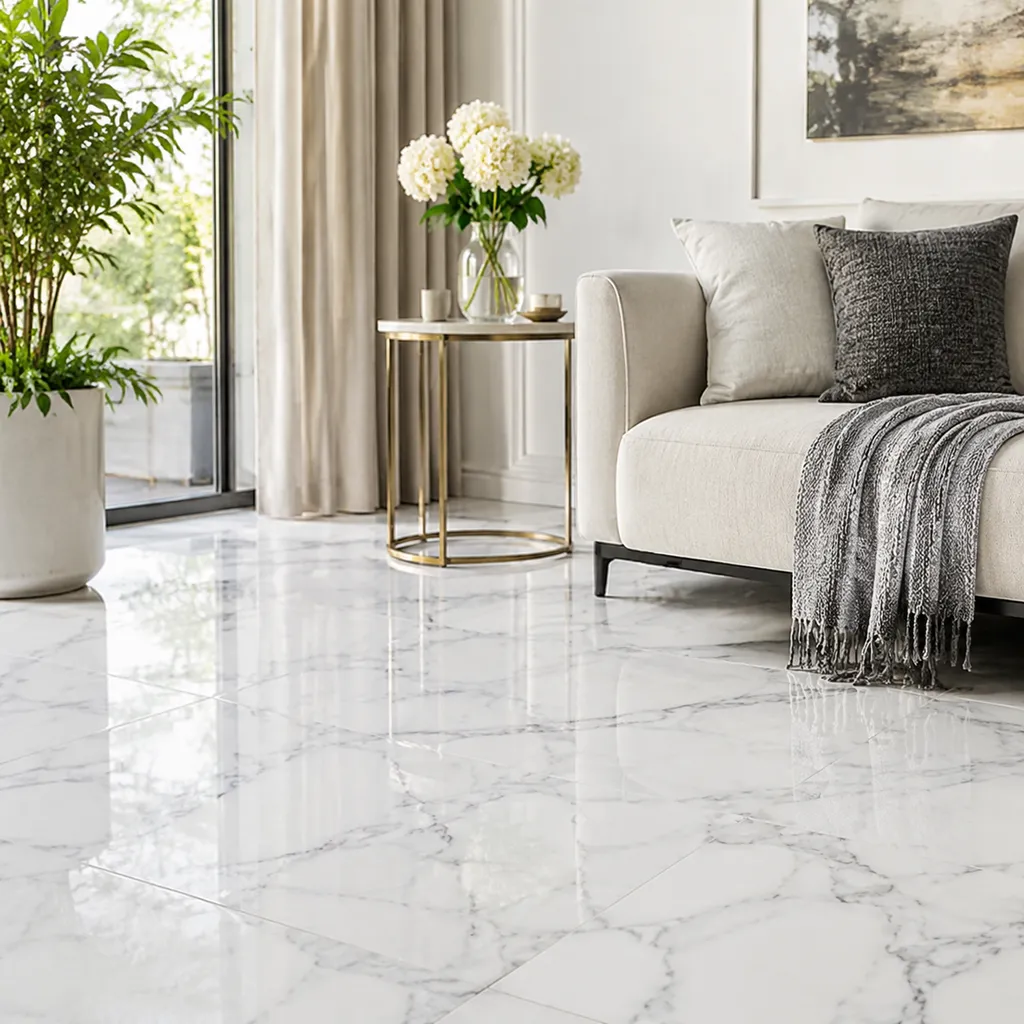
Marble-look designs remain our top recommendation for spaces requiring a clean, elevated look. These tiles mimic natural stone veining with precision, minus the routine sealing and etching worries of genuine marble.
-
- Soft Carrara Styles: Feature delicate, feathery light-gray veining distributed evenly across a soft white backdrop. Perfect for open, serene layouts.
- Bold Calacatta Designs: Showcase thicker, dramatic charcoal and cool-gray veins that make a distinct statement on bathroom walls and floors.
- Realistic Texture: High-definition inkjet printing provides the authentic depth of quarried stone with the non-porous reliability of porcelain.
Classic Checkerboard Floor Tile
For a traditional look that feels tailored rather than stark, pairing alternating gray and white porcelain tile creates a softer, more inviting alternative to harsh black-and-white floors.
-
- Softer Contrast: Light or medium gray squares balance bright white tiles, hiding daily dust and footprints far better than solid black.
- Layout Versatility: Lay them square for a classic European bistro vibe, or set them at a 45-degree diamond angle to make narrow hallways and mudrooms feel wider.
Geometric and Basketweave Mosaic Patterns
Mosaics combine gray and white elements into structured, small-format arrangements. These patterns add essential grip underfoot while breaking up large expanses of solid color.
-
- Basketweave: Features woven white rectangular chips framed by contrasting gray dot accents.
- Hexagons and Chevrons: Modern geometric layouts using mixed gray and white pieces create clean movement across shower floors, accent niches, and backsplashes.
- Functional Traction: The higher frequency of grout lines in mosaic sheets naturally enhances slip resistance in wet zones.
Subtle Terrazzo and Concrete Aesthetics
For industrial, transitional, or minimalist interiors, concrete- and terrazzo-inspired porcelain surfaces offer clean texture without distracting patterns.
-
- Micro-Terrazzo: Features scattered gray chips embedded into crisp white backgrounds, offering a playful retro nod.
- Polished Concrete Look: Combines muted gray clouds and faint white undertones for an understated, urban aesthetic suited for open-concept living.
Available Finishes and Formats for Gray and White Porcelain Tile
Selecting the right finish and format determines both the visual appeal and everyday performance of your space. We offer gray and white porcelain tile in a variety of surfaces and proportions to match exact architectural requirements, whether your goal is high-gloss luxury or understated slip resistance.
Polished vs. Matte Porcelain Tile
The surface finish alters how light moves through a room and directly impacts maintenance:
| Feature | Polished Porcelain | Matte Porcelain |
|---|---|---|
| Surface Look | Mirror-like, glossy, highly reflective | Smooth, non-reflective, natural stone feel |
| Color Impact | Deepens gray veining against pure white bases | Delivers soft, muted contrasts and earthy tones |
| Slip Resistance | Lower traction when wet; ideal for walls and dry floors | High grip rating; optimal for wet zones and entryways |
| Maintenance | Wipes clean easily; highlights water spots and dust | Conceals daily dust, smudges, and pet hair effortlessly |
-
- Polished Finishes: Choose polished gray and white porcelain tile to maximize light in compact rooms or create a clean, upscale statement on bathroom walls, kitchen backsplashes, and low-traffic living areas.
- Matte Finishes: Select matte surfaces for high-traffic zones, curbless walk-in showers, and active residential floors where safety and effortless upkeep are top priorities.
Large Format Slabs (24x24 and 24x48)
Large format gray and white porcelain tile layouts minimize grout lines to create an expansive, uninterrupted surface.
-
- 24x24 Inches: A balanced square dimension that stabilizes open-plan living rooms, kitchens, and medium-sized bathrooms without overwhelming the space.
- 24x48 Inches: A modern rectangular profile that elongates hallways and floor plans. In gray and white marble-look designs, these extended slabs allow realistic veining patterns to flow continuously across the floor or wall.
- Fewer Grout Joints: Fewer seams mean reduced grout maintenance and a sleek, continuous aesthetic that visually enlarges smaller interiors.
Mosaic Sheets and Subway Tiles

Smaller formats offer structural flexibility and design detailing:
-
- Mesh-Mounted Mosaics: Standard formats include 2x2 squares, hexagons, penny rounds, and herringbone sheets. The increased number of grout lines provides natural grip, making them the preferred choice for sloped shower floors and wet-room pans.
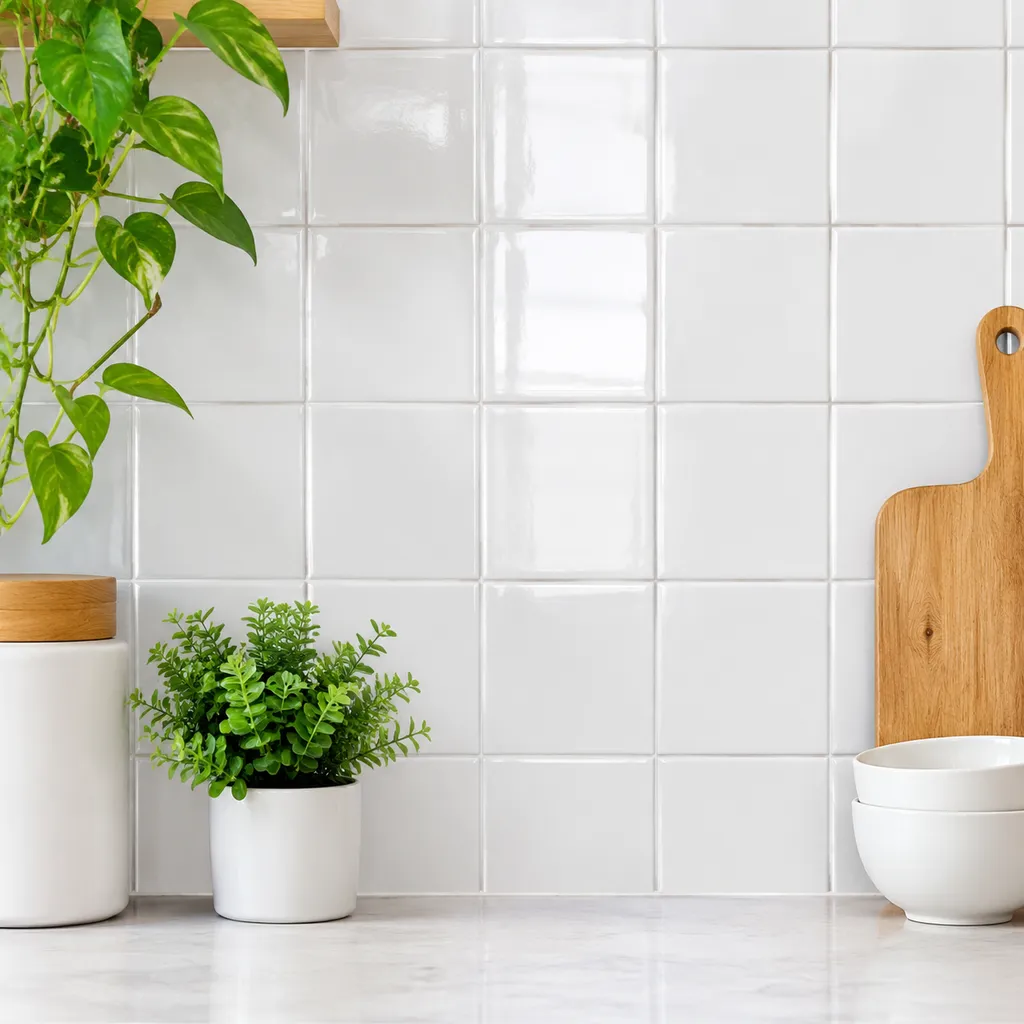
- Classic Subway Tiles: Sized in traditional 3x6 or modern 4x12 proportions, white and gray subway tiles allow versatile installation patterns, including classic offset, vertical stacked, or double herringbone layouts for feature walls and kitchen backsplashes.
Top Application Scenarios for Home Interiors
We consistently recommend gray and white porcelain tile to homeowners and designers because it adapts effortlessly to virtually any room. The neutral balance of cool grays and crisp whites provides a clean, open foundation that handles intense daily use without showing premature wear.
Bathroom Floors and Walk-In Showers
Bathrooms demand surfaces that resist standing water, steam, and daily hygiene products. Gray and white porcelain tile delivers non-porous durability, making it an ideal choice for both floors and vertical shower surrounds.
-
- Moisture Protection: Porcelain absorbs less than 0.5% water, preventing mold buildup and structural moisture damage.
- Safety Underfoot: In walk-in showers, smaller gray and white mosaics provide extra grout lines for enhanced slip resistance.
- Visual Space: Lighter white surfaces reflect vanity lighting, while soft gray veining keeps the bathroom feeling grounded and spa-like.
Kitchen Floors and Backsplashes
The kitchen is the functional core of the home, requiring materials that can handle heavy foot traffic, dropped utensils, and acidic food spills. Gray and white porcelain tile provides an impervious barrier against stains from cooking oils, wine, and sauces.
-
- Effortless Cleaning: Wiping down grease or dried spills requires only warm water and a neutral cleaner.
- Design Harmony: The balanced gray and white palette complements popular cabinetry choices, from natural white oak to deep navy or classic shaker white.
- Backsplash Utility: Vertical subway or herringbone patterns protect drywall behind ranges and prep sinks while adding subtle visual texture.
Entryways, Mudrooms, and High-Traffic Living Areas
Foyers, entryways, and mudrooms take the brunt of exterior grit, mud, road salt, and pet claws. Laying gray and white porcelain tile through these transition zones protects your subfloors while creating a welcoming first impression.
-
- Dirt Concealment: Unlike solid white floors that show every speck of dust, or dark floors that show dry footprints, a blended gray and white pattern naturally masks everyday debris between cleanings.
- Scratch Resistance: Porcelain is dense enough to withstand heavy boots, pet activity, and dragged luggage without scuffing or dulling.
- Open-Plan Continuity: Running large-format tiles continuously from an entryway into living or dining areas creates an expansive, uninterrupted visual line throughout the home.
How to Select the Right Grout Color

The grout you pair with gray and white porcelain tile completely dictates the final mood of your room. It determines whether your layout reads as a continuous, unified plane or as an intricate, graphic display. We always advise treating grout as an essential design component rather than a background detail.
Blending with Soft Gray and Pure White Grout
A matching or soft-tone grout creates an airy, seamless visual flow across floors and walls:
-
- Pure White Grout: Creates a clean, pristine finish that maximizes light reflection. It blends effortlessly with white fields in marble-effect tiles, making compact bathrooms and narrow hallways feel noticeably larger.
- Soft Gray Grout: Harmonizes with the cool undertones of gray and white porcelain tile. It provides a cohesive, uninterrupted transition between tiles while offering practical disguise against light daily dust.
Adding Definition with Dark Charcoal Grout
Dark charcoal grout introduces bold architectural contrast to your installation:
-
- Emphasizes Tile Geometry: Crisp, dark grid lines outline each tile, turning standard subway, herringbone, or checkerboard arrangements into striking focal points.
- Modern Aesthetic: Adds an urban, contemporary edge that balances the softness of light stone textures.
- Low Visual Upkeep: Charcoal grout effectively conceals foot traffic marks and everyday grime, making it ideal for busy entryways and mudrooms.
Choosing Grout Types for Moisture and Stain Resistance
Selecting the right grout formulation ensures your gray and white porcelain tile remains clean and structurally sound over time:
| Grout Type | Key Benefits | Best Applications |
|---|---|---|
| Epoxy Grout | Completely waterproof, highly stain-resistant, non-porous; does not require sealing. | Shower enclosures, wet rooms, and kitchen splash zones. |
| High-Performance Cementitious | Cost-effective, easy to apply, reinforced with polymers for reduced water absorption. | Standard residential living spaces and low-traffic feature walls. |
| Pre-Mixed Acrylic / Urethane | Uniform color consistency, flexible, crack-resistant, and ready to use out of the bucket. | Backsplashes, interior accent floors, and light renovation projects. |
Buying Guide: How to Select the Perfect Tile
Choosing the right gray and white porcelain tile comes down to balancing daily performance with visual appeal. We focus on three critical technical factors to help you make the right investment for your project.
Determining Slip Resistance and PEI Ratings
Porcelain tiles carry specific industry ratings that indicate where they perform best:
-
- PEI Ratings (Surface Wear): We recommend a PEI 3 rating for standard residential spaces like guest baths and bedrooms. For entryways, busy family kitchens, or light commercial areas, select PEI 4 or PEI 5 to guarantee lasting scratch and abrasion resistance.
- Slip Resistance (DCOF): For wet floors such as walk-in showers, mudrooms, and laundry rooms, choose a matte or textured tile with a dynamic coefficient of friction (DCOF) of 0.42 or higher. Save high-gloss, polished gray and white porcelain tile options for wall installations or strictly dry floor areas.
Ordering Samples to Test Lighting and Texture
Colors in the gray and white spectrum shift noticeably depending on the environment. We always recommend getting physical samples into your space before placing a bulk order:
-
- Test Natural and Artificial Light: View the sample at different times of day under both 2700K warm white and 4000K cool white lighting to see how the gray veining and white background react.
- Check Surrounding Finishes: Place the sample directly against your cabinetry, countertop slabs, and wall paint to verify undertone harmony (cool blue-grays versus warm greiges).
- Evaluate the Hand-Feel: Feel the surface finish directly to confirm it matches your expectations for grip and maintenance ease.
Estimating Square Footage and Overage for Cuts
Accurate material planning prevents costly project delays and batch-mismatch issues:
-
- Standard Layouts: For straight-lay or standard grid patterns, calculate the total square footage and add 10% for cutting waste and minor job-site breakage.
- Complex Patterns and Large Formats: If you are laying tiles in a herringbone, chevron, or diagonal checkerboard pattern—or using extra-large format slabs—increase your overage allowance to 15% to 20%.
- Attic Stock: Keep at least one full box of your gray and white porcelain tile stored away after installation to cover any future plumbing access or structural repairs.
Frequently Asked Questions
Are gray and white porcelain tiles still in style?
Yes, gray and white porcelain tile remains a staple in modern and classic interior design. This palette provides a balanced, neutral foundation that adapts effortlessly to shifting interior trends. Whether paired with warm wood tones, industrial black fixtures, or minimalist accents, these tones deliver enduring elegance without feeling dated.
Is porcelain tile slippery when used in showers?
Porcelain tile can be slick when wet if it features a high-gloss polished finish. For wet environments like walk-in showers and bathroom floors, we recommend specific options to ensure proper traction:
-
- Matte or Textured Finishes: Offer inherent slip resistance underfoot.
- Mosaic Sheets: Provide extra grip due to the dense grid of grout lines.
- Appropriate Friction Ratings: Look for tiles rated with suitable dynamic coefficient of friction (DCOF) values for wet interior spaces.
Can gray and white porcelain tile be used outdoors?
Yes, gray and white porcelain tile can be used in exterior settings, provided the specific product is rated for outdoor use. Porcelain features minimal water absorption, making it naturally resistant to freeze-thaw cycles and cracking. For outdoor patios, walkways, or pool decks, always ensure the tile offers outdoor-grade thickness and a textured, anti-slip surface finish.