
Understanding Flexible Stone and Its Low-Maintenance Appeal
Why Flexible Stone Is Easy to Clean and Maintain
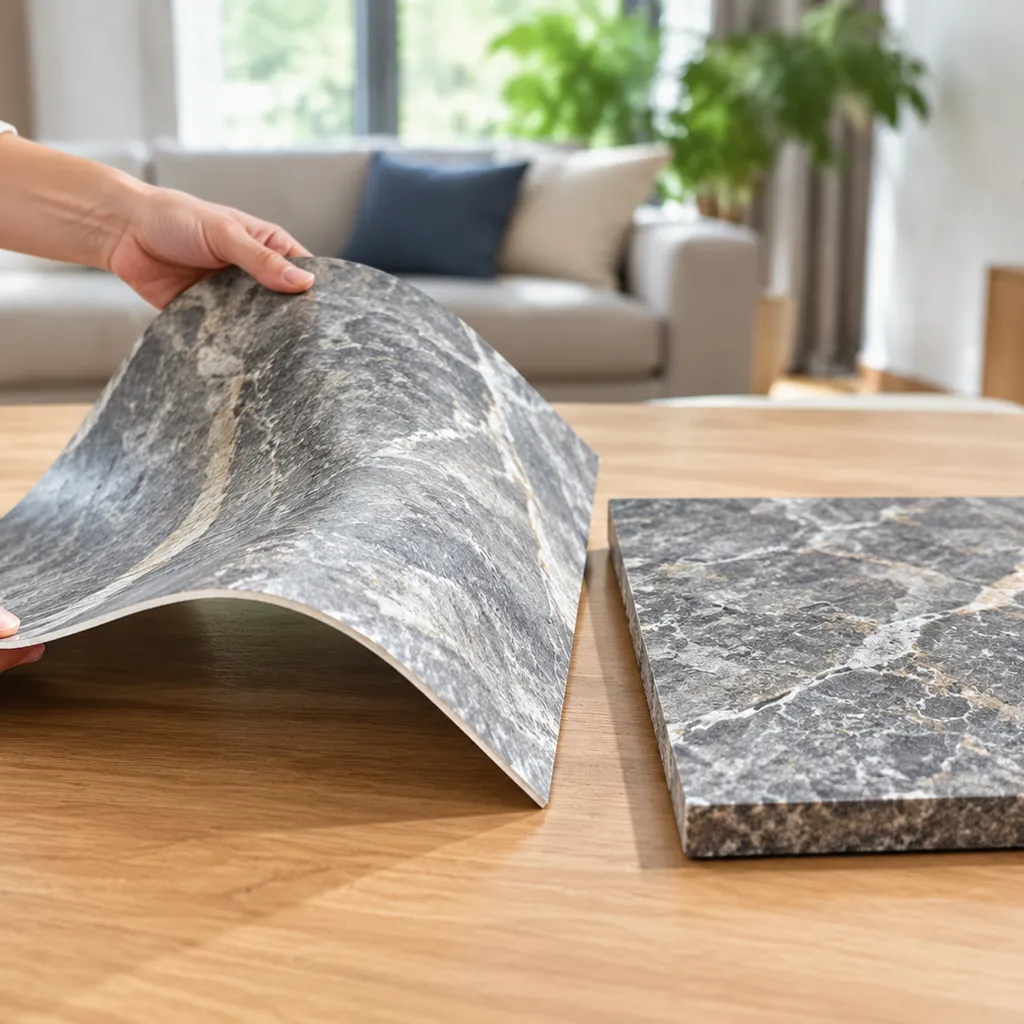
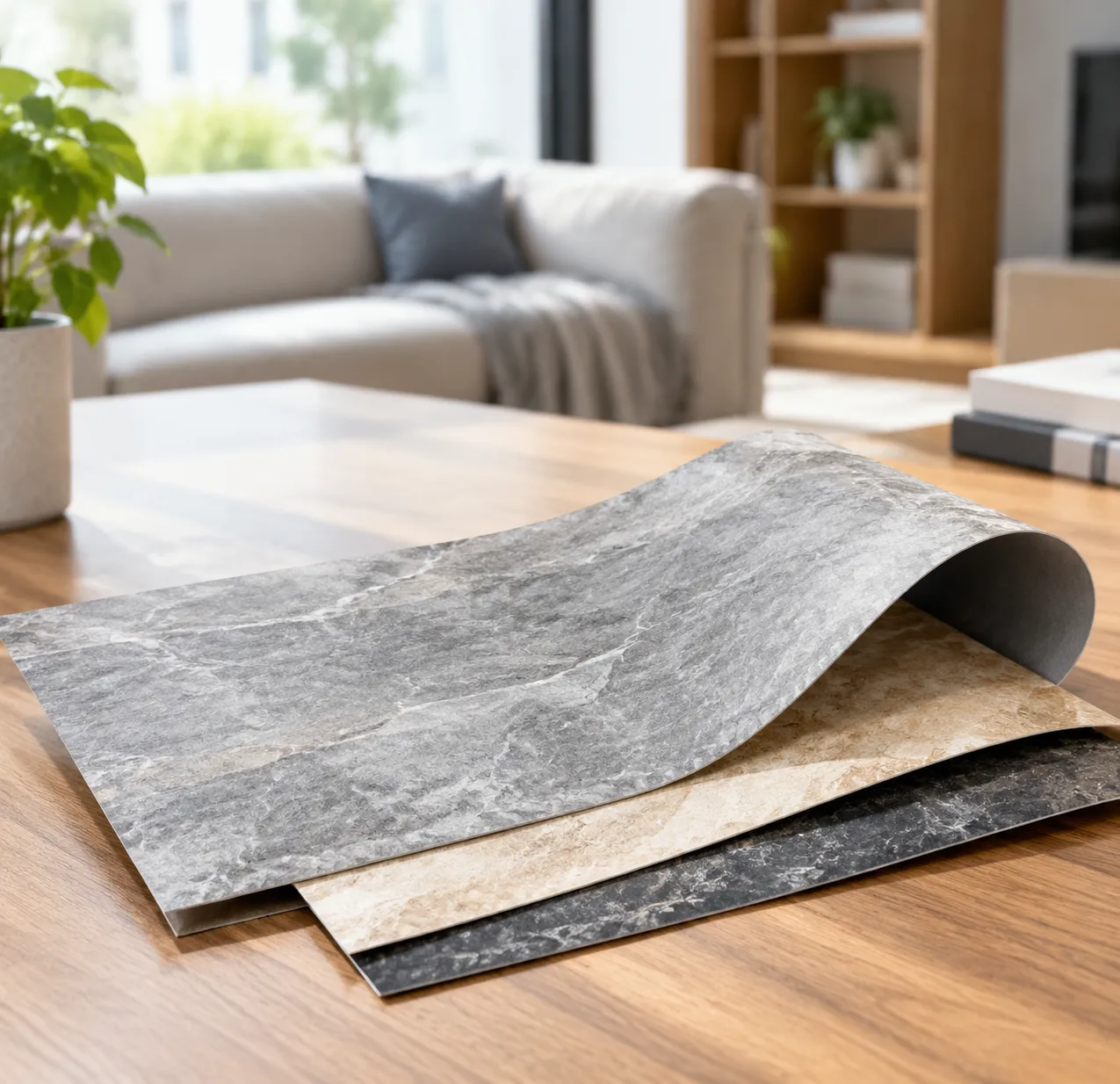
The structural design of flexible stone significantly reduces maintenance overhead. Unlike traditional thick stone blocks that feature deep pores and heavy grout lines where grime accumulates, flexible stone panels provide a sleek, streamlined surface.
- Minimal Seams: Large-format panels reduce grout lines, leaving fewer crevices for dirt and moisture buildup.
- Non-Porous Backing: Resin reinforcement acts as an integrated moisture barrier that halts deep liquid penetration.
- Effortless Surface Care: Everyday dirt wipes away instantly with a damp microfiber cloth and a warm water wash, requiring no harsh chemical scrubbing.
- Stain Resistance: When treated with an appropriate surface sealer, oils, dust, and daily spills sit on top rather than soaking into the stone substrate.
Key Features and Surface Characteristics
The unique manufacturing profile of flexible stone establishes its distinctive balance between raw natural aesthetics and functional durability.
| Feature | Flexible Stone Veneer | Traditional Stone Slab |
|---|---|---|
| Average Thickness | 1.5 mm – 3.0 mm | 20 mm – 30 mm |
| Structural Weight | Ultra-lightweight (~1.5–3 kg/m²) | Heavy (45–80 kg/m²) |
| Surface Porosity | Low to moderate (easily sealed) | High to variable natural porosity |
| Grout Line Density | Minimal to seamless installation | High density of mortar joints |
| Cleaning Effort | Easy cleanup with mild dish soap | Requires intensive chemical upkeep |
| Moisture Absorption | Resin-sealed back limits penetration | Readily absorbs standing water |
These characteristics make easy cleanup flexible stone an ideal choice for residential and commercial environments seeking authentic texture without the recurring labor of heavy stone restoration. Routine wiping keeps the surface pristine, preserving its rich geological character for years.
Recommended Cleaning Products for Easy Cleanup Flexible Stone
Keeping flexible stone surfaces spotless does not require harsh chemicals or complicated routines. We always recommend gentle, effective cleaners that protect the natural stone face while making regular maintenance fast and stress-free.
Mild Soap and Warm Water Solutions
For daily upkeep, simple solutions deliver the best results. A basic warm water wash mixed with a few drops of mild dish soap lifts everyday dust, smudges, and light spills without damaging the surface.
- Application: Mix a small amount of dish soap in a bucket of warm water.
- Tool: Use a soft, damp microfiber cloth or a non-abrasive sponge.
- Rinse: Wipe down with clean water and dry with a fresh towel to avoid water spots.
Neutral pH Stone Cleaners
To protect the stone's natural texture and maintain long-term durability, a dedicated pH-neutral cleaner is our top recommendation. These formulas lift dirt safely without stripping away existing sealers.
| Cleaner Type | Best Used For | Key Benefit |
|---|---|---|
| Mild Dish Soap Mix | Daily spills and light dust | Safe, inexpensive, and readily available |
| pH-Neutral Cleaner | Weekly maintenance and living areas | Leaves zero residue and protects natural mineral tones |
| Specialized Veneer Spray | Heavy grease or exterior grime | Deep-cleans without degrading flexible backing layers |
Specialized Flexible Stone Veneer Cleaners
For deeper buildup, high-traffic commercial spaces, or outdoor panels, specialized stone veneer cleaners provide targeted action. These products penetrate textured surface crevices to dissolve oils, grease, and environmental grime while keeping the flexible backing material completely secure.
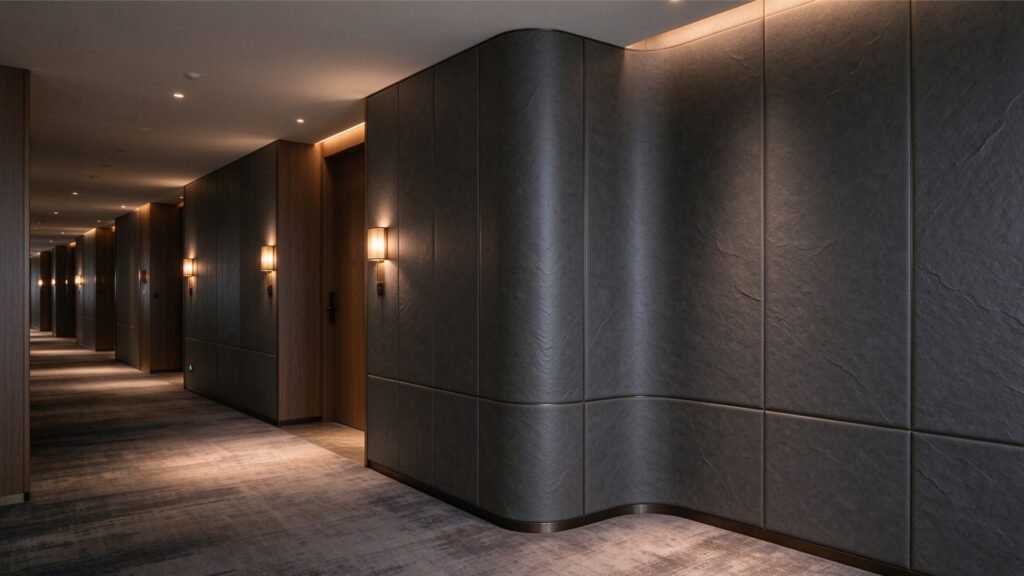
Step-by-Step Guide for Easy Flexible Stone Cleanup
Keeping your flexible stone surfaces looking fresh does not require complex routines or heavy labor. We design our maintenance process to be straightforward, fast, and completely safe for the stone finish. Follow these clear steps to achieve an easy cleanup flexible stone routine for any installation.
Routine Daily Cleaning and Dusting
For day-to-day care, simple dry dusting and light wipedowns keep surface dust from settling into the natural stone texture:
- Dry Dusting: Use a dry, lint-free microfiber duster to remove loose particles and surface dust.
- Wipe Down: For light smudges, use a damp microfiber cloth with clean water.
- Quick Rinse: A light warm water wash is all you need to restore the clean, natural matte look.
- Air Dry: Let the stone dry naturally or wipe it gently with a dry cotton cloth.
Deep Cleaning for High-Traffic Surfaces
For entryways, hallways, and living zones exposed to daily touch, perform a thorough wash every few weeks to lift accumulated dirt:
- Prepare the Solution: Mix lukewarm water with a small amount of mild dish soap or a dedicated pH-neutral cleaner.
- Apply Gently: Dip a soft cloth or non-abrasive sponge into the solution, wring out excess water, and wipe down the stone evenly.
- Lift Residue: Work in smooth, circular motions to clean the textured contours without scrubbing aggressively.
- Rinse and Dry: Wipe the surface with clean water to remove any soap residue, then dry with a soft towel to prevent water spots.
Removing Tough Stains, Grease, and Grime
When dealing with localized grease splatters or stubborn marks, targeted spot cleaning delivers the best results without harming the stone:
- Immediate Blotting: Blot fresh spills immediately with a paper towel or clean cloth. Avoid spreading the liquid across the surface.
- Targeted Application: Apply a diluted pH-neutral cleaner directly to the stained area using a soft cloth.
- Dwell Time: Let the solution rest on the spot for 2 to 3 minutes to break down grease and surface residue.
- Wipe Clean: Gently lift the residue using a clean, damp cloth.
- Final Rinse: Wipe thoroughly with fresh water to ensure no cleaning agent remains on the stone face.
Cleaning Products and Tools to Avoid for Easy Cleanup Flexible Stone
To keep your easy cleanup flexible stone looking pristine and structurally sound, steer clear of harsh cleaning agents and aggressive maintenance equipment. Using the wrong products can degrade the protective top layer, alter natural surface textures, and compromise the material's composite backing.
Acidic, Alkaline, and Bleach-Based Chemicals
Strong chemical compounds react negatively with natural mineral faces and degrade protective sealers. I always advise against using the following:
- Vinegar and Citrus Cleaners: The natural acids chemically etch natural stone elements, dulling the finish.
- Chlorine Bleach: Strips protective surface treatments and can cause localized discoloration.
- Ammonia and High-Alkaline Degreasers: Break down resin bonds within the flexible substrate over time.
Abrasive Sponges and Wire Scrubbers
Maintaining the natural profile requires gentle physical care. Mechanical abrasion scratches the fine stone layers and wears away protective coats.
- Steel Wool and Wire Brushes: Create micro-scratches that trap dirt and permanently damage texture.
- Scouring Pads: Coarse scrubbing pads dull the stone's natural sheen.
- Abrasive Scouring Powders: Contain gritty particles that act like sandpaper on the surface.
High-Pressure Washers and Harsh Steam Cleaners
Excessive heat and concentrated water pressure compromise flexible veneer installations:
| Tool | Risk to Flexible Stone | Recommended Alternative |
|---|---|---|
| High-Pressure Washers | Forces water beneath edges, risking adhesion failure. | Low-pressure rinse using a standard garden hose. |
| Industrial Steam Cleaners | High thermal shock softens composite backing adhesives. | Hand-wiping with a damp microfiber cloth and warm water. |
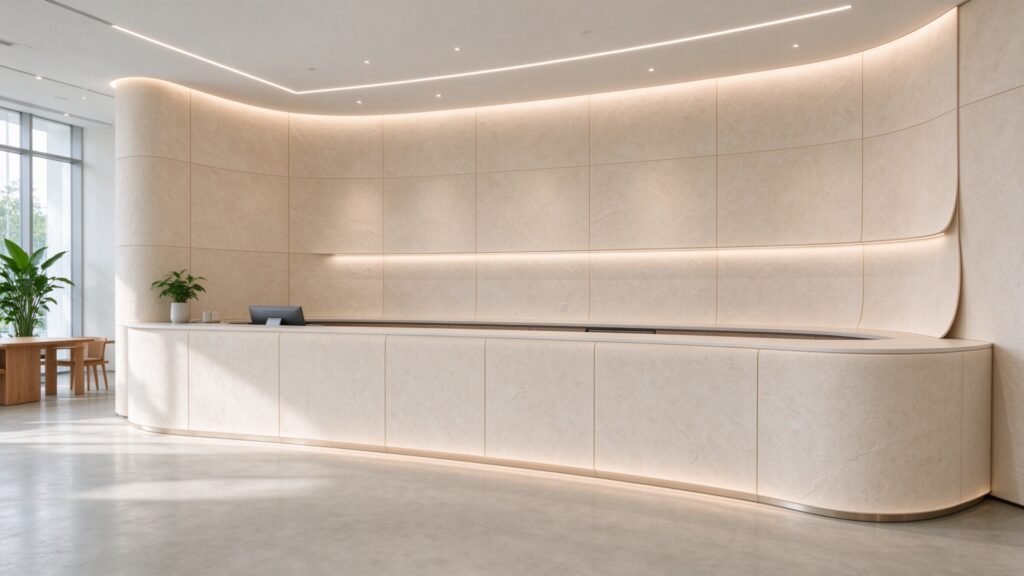
Long-Term Maintenance and Surface Protection
Maintaining an easy cleanup flexible stone installation over the long haul requires minimal effort when the right protective measures are in place. We focus on simple, proactive care strategies that preserve the natural texture, guard against environmental wear, and ensure future wipe-downs remain quick and effortless.
Applying Protective Sealers and Impregnators
Applying a high-performance, penetrating sealer creates an invisible barrier against grease, water, and staining agents without altering the stone's natural appearance.
- Initial Sealing: We recommend applying a breathable impregnating sealer immediately after installation to lock out moisture and deeply embedded grime.
- Reapplication Routine: High-traffic areas or wet zones benefit from a fresh coat every 2 to 3 years, ensuring the surface retains its non-stick, easy-to-clean qualities.
- Easy Testing: Splash a few drops of water on the surface; if it beads up, your seal is solid. If it absorbs, it is time to reapply.
Moisture and Mold Prevention Tips
Even with water-resistant veneers, controlling ambient moisture prevents biological growth on joints and surrounding grout lines:
- Ensure Good Airflow: Use proper ventilation in enclosed spaces like bathrooms, spa zones, and indoor kitchens.
- Wipe Down Pooling Water: Use a damp microfiber cloth to clear excess standing water from edges, ledges, or seams.
- Routine Surface Breathing: Allow sealed exterior and interior panels to dry thoroughly after a warm water wash rather than leaving heavy moisture trapped behind fixtures.
Scheduled Periodic Inspection and Care
A quick, structured care schedule keeps surfaces looking brand-new without complicated procedures:
| Frequency | Recommended Action | Core Objective |
|---|---|---|
| Weekly | Quick wipe with a damp microfiber cloth | Eliminates loose surface dust |
| Monthly | Light wash using a dedicated pH-neutral cleaner | Cuts through oils and fine grime |
| Annually | Seam, edge, and sealant absorption check | Maintains water-tight barrier integrity |
Staying consistent with this straightforward routine ensures your easy cleanup flexible stone continues to deliver lasting beauty and effortless upkeep year after year.
Ideal Applications for Easy-to-Clean Flexible Stone
I select surface materials that deliver high-end architectural texture without demanding hours of intensive labor. The low-maintenance profile of easy cleanup flexible stone makes it exceptionally versatile across demanding residential zones and high-traffic commercial environments.
Kitchen Backsplashes and Bathroom Walls
Wet zones and cooking areas face constant exposure to water, grease, and soap scum. Flexible stone panels provide an ultra-clean installation with minimal joints, eliminating the deep grout lines that typically trap grime.
- Cooking Zones: Oil splatters and food residue lift away effortlessly with a damp microfiber cloth and a drop of mild dish soap.
- Shower Surrounds: Non-porous sealed veneers prevent water stains and reduce the risk of surface mildew.
- Vanity Backdrops: Toothpaste splatters and cosmetic residues wipe off in seconds without dulling the natural stone face.
Interior Feature Walls and Living Spaces
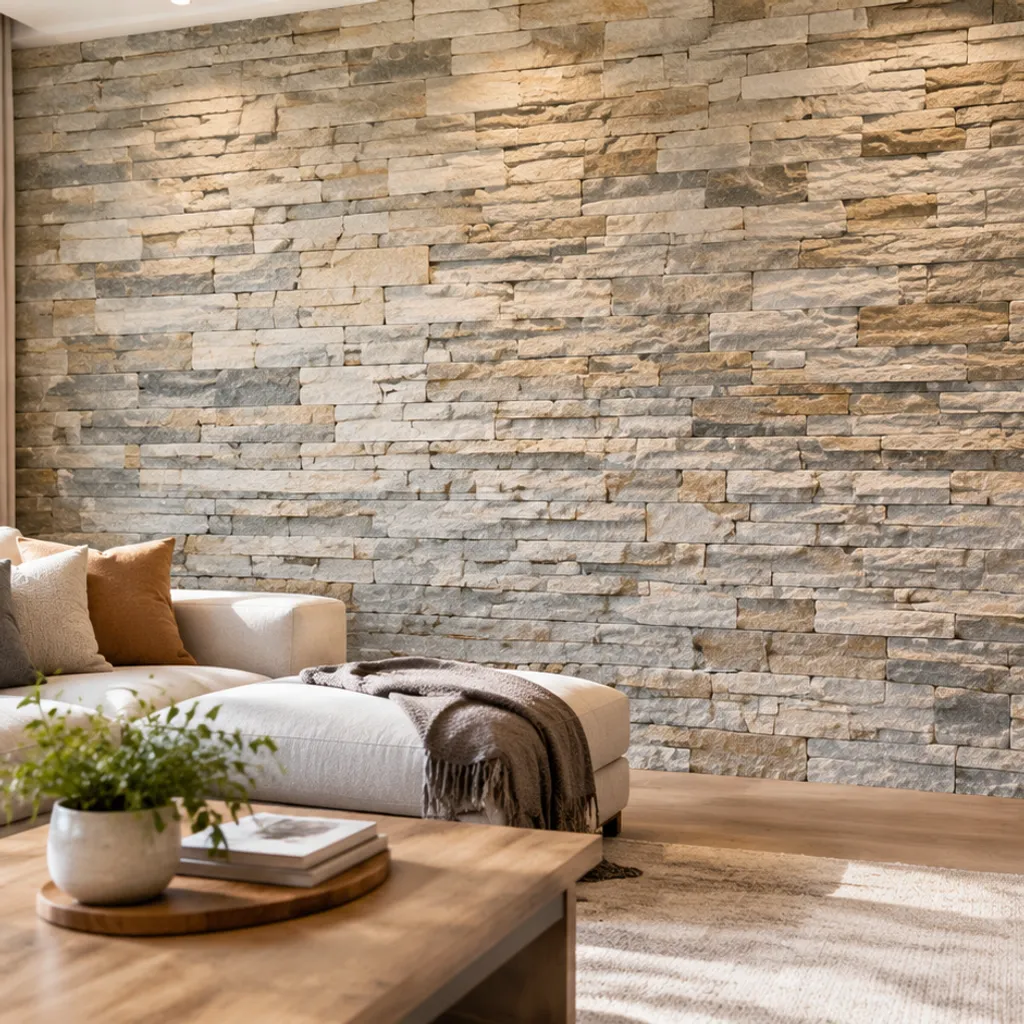
In residential living rooms, hallways, and entryways, the material delivers a rich tactile finish that stays pristine with minimal daily upkeep.
- Accent Fireplaces & Media Consoles: Resists heat and environmental dust, needing only a light surface sweep to maintain its natural luster.
- Entryway Walls: High-contact zones prone to fingerprints and daily scuffs clean up fast with a simple warm water wash.
- Dining Areas: Surface spills and accidental marks wipe clean using a standard pH-neutral cleaner without leaving water rings or surface haze.
Exterior Cladding and Commercial Facades
For commercial spaces and exterior architecture, durability and low ongoing maintenance costs are essential. Flexible stone provides a lightweight facade solution that resists the elements while keeping operational cleaning budgets low.
- Retail and Hospitality Entryways: Heavy foot-traffic corridors and reception desks resist scuffs and clean up quickly between guest visits.
- Exterior Building Envelopes: Natural rain runoff helps clear ambient dirt and dust, keeping building facades sharp throughout changing seasons.
- Commercial Restrooms and Common Areas: Large-format paneling allows maintenance teams to sanitize large surface areas rapidly, cutting facility cleaning times significantly.